Gender Equality and LGBTIQ+ Equality
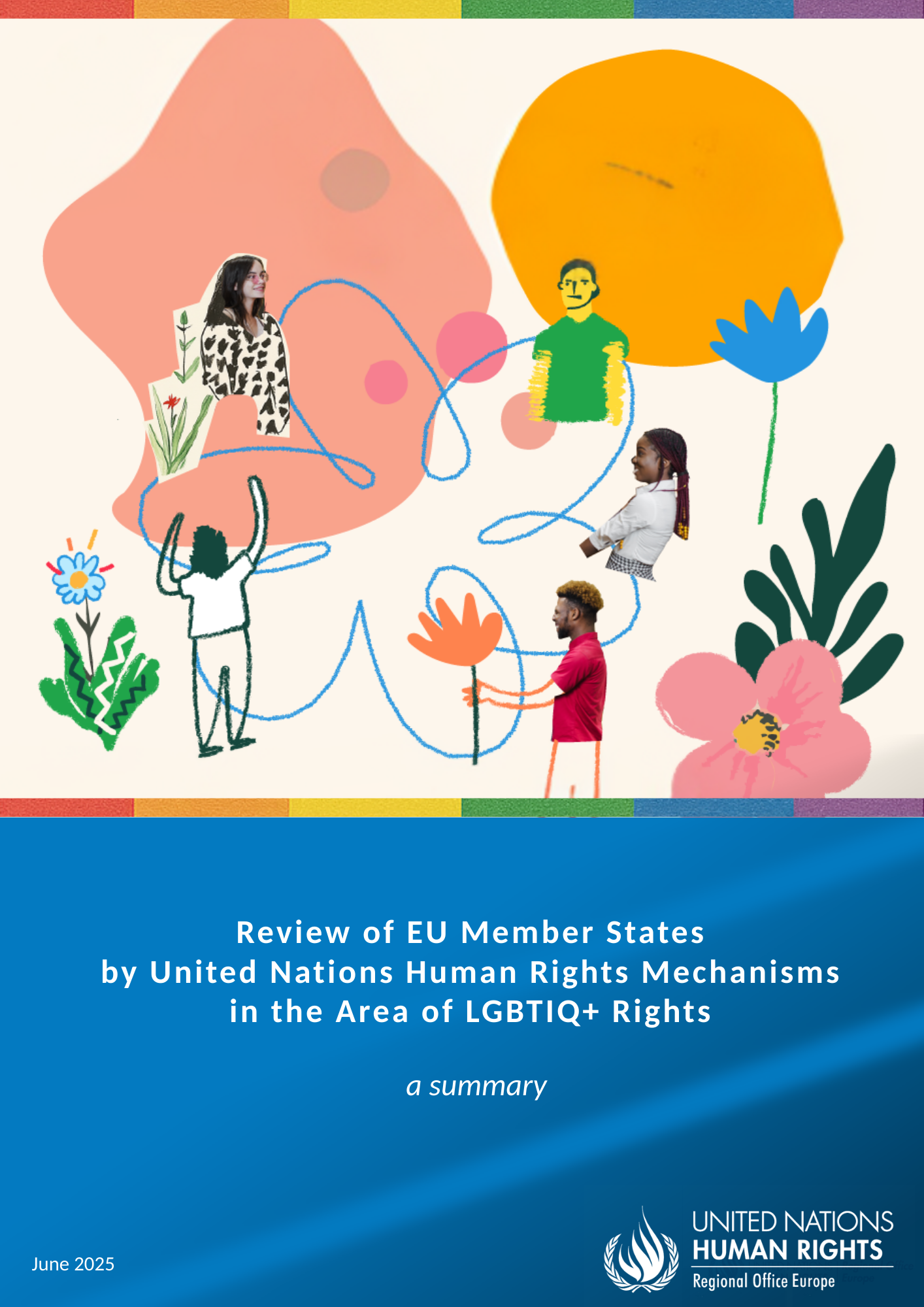
Around the world, lesbian, gay, bi, trans, intersex and queer (LGBTIQ+) people continue to face widespread stigma, exclusion and discrimination.
UN Human Rights works to end discrimination and promote the human rights of LGBTIQ+ people by raising concerns with governments and recommending reforms in line with international human rights standards, monitoring and exposing human rights violations affecting LGBTIQ+ persons, and engaging in public advocacy. The Office also leads the UN Free & Equal campaign, which raises awareness and builds support for equal rights and fair treatment of LGBTIQ+ people worldwide, including through national campaigns in more than 40 countries. The Office works with the private sector and UN partners to counter discrimination and violence, supports and collaborates with Special Procedures mandates and UN Treaty Bodies on LGBTIQ+ issues, and builds the capacity of UN staff on the rights and concerns of LGBTIQ+ people.
UN Human Rights is committed to working with States, national human rights institutions, civil society and other stakeholders worldwide to reform discriminatory laws and policies in line with international human rights law, transform harmful gender stereotypes and discriminatory social norms, eliminate gender-based violence, guarantee sexual and reproductive health and rights for all, protect and expand the civic space of women human rights defenders and feminist movements, facilitate equal participation of women, men and people of diverse gender identities in all areas of life, and ensure gender equality in the Office.
Our work with the European Union
Promotion of equality, respect for non-discrimination and the preservation of diversity is a key priority for UN Human Rights, including in Europe.
In the context of growing hostility, tangible backsliding inside and outside of the European Union, as well as the targeting of specific groups, human rights defenders and the civil society, we contribute towards stronger human rights policies to lead to higher compliance among Member States, and to a strong European Union that is a leader across the world in the promotion of gender equality and equality of LGBTIQ+ persons. .
Our work in this area focuses on the following priorities:
- Contributing to the formulation and implementation of gender equality and LGBTIQ+ EU strategies, policies and action plans.
- Undertaking advocacy for human rights and supporting the participation and visibility of civil society organizations vis-a-vis the EU and States.
- Working with civil society and international organizations, the Commission and the Parliament, rotational Presidencies of the Council of the EU, other UN entities, as well as other stakeholders towards gender equality and LGBTIQ+ people’s rights advancement and promotion.